We Optimized Pill Bottles for Toddlers, Not Patients — It's Time to Modernize the 1970s Standard
For more than 50 years, the U.S. prescription bottle has been treated as dispensing infrastructure, not a behavioral support system. That's a design failure with measurable consequences.
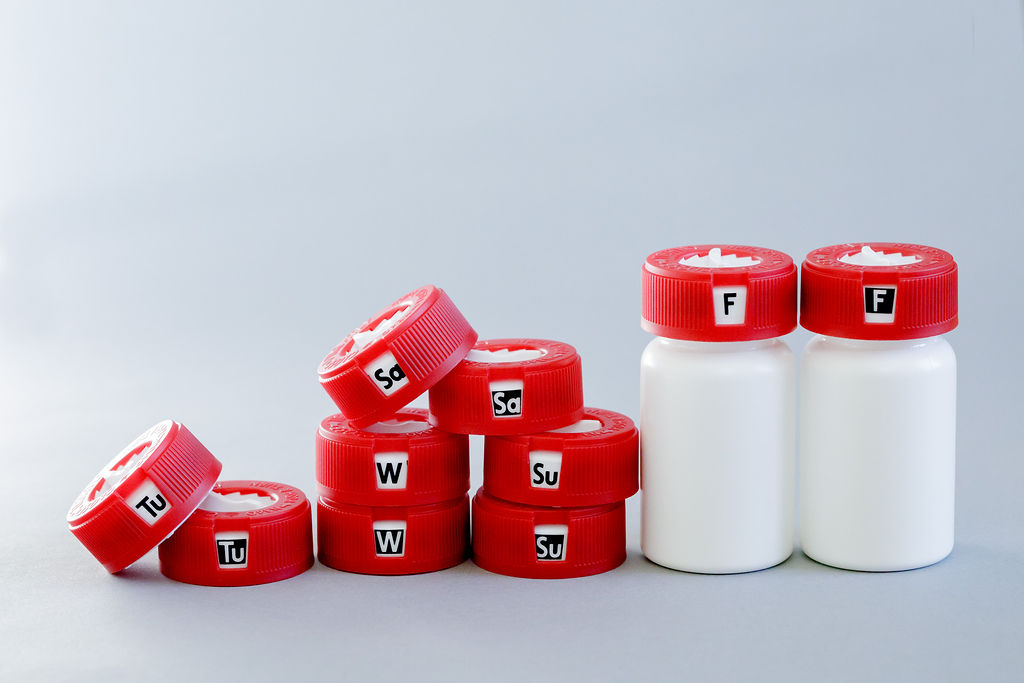
The Poison Prevention Packaging Act of 1970 was a genuine public health success. Child-resistant closures dramatically reduced accidental pediatric poisonings, and the standard vial-and-cap system became the default for nearly every prescription dispensed in the United States. That was the right outcome for 1973.
The problem is that the design never evolved. The PPPA solved child poisonings — but created no parallel requirement to help the actual patient stay on track. For more than 50 years, the U.S. prescription bottle has been treated as dispensing infrastructure, not a behavioral support system. That's a design failure with measurable consequences.
1970 → 2025
55 years. The same cap. The same design. The same failure to support patient adherence.
The bottle was designed around a safety requirement, not a patient requirement
The child-resistant cap was engineered to be difficult to open — which is exactly what you want for a toddler and exactly the wrong property for a patient with arthritis, low dexterity, or a chronic condition requiring multiple daily doses. The standard vial communicates nothing about when to take the medication, whether a dose was taken, or what to do if one was missed. It is, in behavioral terms, a passive container with no affordances for adherence.
The scale of the non-adherence problem is a design indictment
Approximately 50% of patients with chronic conditions do not take their medications as prescribed. Non-adherence is estimated to cause 125,000 preventable deaths annually in the U.S. and accounts for up to $300 billion in avoidable medical costs. It contributes to 25% of hospitalizations and is a primary driver of treatment failure across cardiovascular, metabolic, and psychiatric conditions. These numbers are not primarily explained by patient behavior deficits — they are explained, in large part, by a system that never gave patients adequate behavioral support at the point of dosing.
The behavioral science is not new — the packaging just hasn't caught up
Decades of behavioral research have established the conditions that support habit formation and routine maintenance: clear environmental cues, immediate feedback, and consistent reinforcement. Reminder packaging — packaging that displays dose status and provides tactile confirmation — operationalizes exactly these mechanisms. A meta-analysis of 22,858 patients found that packaging interventions improved adherence by 12 percentage points (from 63% to 71%). That's a large effect for a low-cost intervention.
The comparison to other consumer categories is instructive
Oral contraceptives have used blister packs with day-of-week labeling since the 1960s. The design was deliberate: the packaging itself was the reminder system. Adherence to oral contraceptives is substantially higher than adherence to most other chronic medications — and the packaging design is a meaningful contributor. The prescription bottle, by contrast, has never been redesigned with the patient's daily routine in mind.
The modernization path doesn't require reinventing the supply chain
The most practical intervention is a replacement of the standard cap — one that adds dose-tracking functionality without changing the vial, the fill line, or the dispensing workflow. The solution must be compatible with existing infrastructure. The behavioral mechanism must be embedded in the object itself, not layered on top of it through digital channels.
"The prescription bottle is the most frequently handled medical device in America. 5.6 billion prescriptions are dispensed each year in standard vials. That's 5.6 billion missed opportunities to support the behavior that determines whether the medication actually works."